You finally pulled the trigger on that PSA 10 autographed rookie card. The signature is bold, the foil is pristine, and the grade is perfect. But here's something most collectors don't realize:
That perfect condition has an expiration date if you don't control the environment.
Graded slabs protect against fingerprints, creases, and corner damage. But they do NOT make your card invincible. In fact, autographed cards are more sensitive to environmental
damage than non-autographed ones, and modern foil cards face unique threats that vintage cardboard never had to worry about.
In this guide, we'll break down the top 5 factors that silently destroy autographs and foil layers on graded sports cards—and exactly how to prevent each one.
Factor 1: UV Light and Sunlight Exposure {#factor-1}
The #1 Killer of Autographs
If there's one factor that destroys more autographed cards than everything else combined, it's ultraviolet (UV) light.
UV radiation carries enough energy to break chemical bonds in ink molecules at the molecular level. When these bonds snap, the signature literally loses its color compounds—scattering and degrading them until bold black ink fades to ghostly gray.
What UV Does to Foil Layers
It's not just autographs that suffer. UV radiation also attacks the holographic foil layers and glossy coatings on modern cards:
-
Surface hazing: Foil loses its reflective brilliance, becoming dull and flat
-
Coating degradation: The glossy finish breaks down, becoming rough and chalky
-
Adhesive weakening: UV compromises the bond between foil and cardstock, leading to delamination
The Speed of UV Destruction
| Light Source | Time to Visible Autograph Damage | Time to Foil Degradation |
|---|---|---|
| Direct sunlight | 2–8 weeks | 1–3 months |
| Fluorescent lighting (daily exposure) | 6–18 months | 1–2 years |
| LED lighting (daily exposure) | 10–20+ years | Minimal |
| Total darkness | No damage | No damage |
Why Graded Slabs Don't Save You
Here's the harsh reality: PSA and BGS slabs are NOT UV-proof. They offer minimal UV protection—often blocking less than 50% of harmful radiation. A card inside a slab under direct sunlight fades almost as fast as a raw card.
The Rule: If you can see the card, UV can reach it—unless you have additional UV-filtering protection.
Factor 2: Humidity and Moisture {#factor-2}
The Hidden Foil Destroyer
While UV gets all the attention, humidity is the silent assassin of foil cards. Modern sports cards with holographic, refractor, or rainbow foil are constructed by laminating a thin metallic layer to paper cardstock using adhesive. Humidity disrupts this delicate bond.
How Humidity Destroys Foil Cards
-
Foil Curling and Delamination: The foil layer and cardstock absorb moisture at different rates, creating internal stress. Edges curl upward, and in severe cases, the foil completely separates from the card.
-
Warping and Border Wave: Cardstock fibers swell unevenly, causing the card to warp. White borders develop a wavy, uneven appearance.
-
Mold Growth: Above 70% RH, mold spores colonize card surfaces, creating permanent black or green spots that destroy value.
Humidity and Autographs
High humidity is equally devastating for autographs:
-
Ink bleeding: Moisture causes dye-based inks to smudge, feather, or bleed into surrounding cardstock
-
Paper expansion/contraction: Repeated swelling and shrinking creates micro-fractures in the ink layer
-
Mold under signatures: Moisture trapped near autographed areas promotes fungal growth that eats away at ink
The Humidity Danger Zones
| Relative Humidity | Risk Level | What Happens |
|---|---|---|
| Below 30% | Moderate | Brittleness, static buildup, adhesive cracking |
| 30–40% | Low | Slight dryness, acceptable for most cards |
| 40–55% | Ideal | Museum-standard preservation |
| 55–60% | Elevated | Early foil stress, slight curling possible |
| 60–70% | High | Foil curling, warping, mold risk |
| Above 70% | Severe | Active mold growth, irreversible damage |
Factor 3: Temperature Fluctuations {#factor-3}
Heat: The Accelerant
Temperature doesn't just make you uncomfortable—it actively accelerates every other form of degradation. Here's what happens when cards get too hot:
-
Ink fading accelerates: Pigments break down exponentially faster above 80°F (27°C)
-
Adhesive breakdown: The glues holding foil layers begin failing above 85°F (29°C)
-
Plasticizer migration: Sleeves and toploaders release chemical additives at high temperatures, creating surface haze on cards
-
Thermal expansion/contraction: Repeated heating and cooling cycles stress the foil-to-cardstock bond
Temperature Swings: The Real Enemy
It's not just high temperature—it's temperature fluctuation that does the most damage. When materials heat up, they expand. When they cool, they contract. Different materials (foil, cardstock, adhesive, ink) expand at different rates, creating micro-stresses that accumulate into visible damage:
-
Foil micro-cracking: Tiny fractures appear in the metallic layer
-
Ink adhesion failure: The signature lifts or flakes from the surface
-
Slab seal degradation: The graded holder's seal weakens, allowing dust and moisture inside
Temperature Guidelines
| Temperature | Risk Level | Recommendation |
|---|---|---|
| Below 60°F (15°C) | Low | Acceptable, avoid freezing |
| 65–72°F (18–22°C) | Ideal | Museum standard |
| 72–80°F (22–27°C) | Moderate | Monitor closely, limit exposure |
| 80–90°F (27–32°C) | High | Move cards immediately |
| Above 90°F (32°C) | Severe | Active damage occurring |
Pro Tip: Attics can hit 120°F+ in summer. Garages fluctuate wildly. Basements are often too humid. Store your graded cards in a climate-controlled interior room.
Factor 4: Handling and Skin Oils {#factor-4}
The Invisible Chemical Attack
Every time you touch a card with bare hands, you transfer skin oils, fatty acids, and microscopic debris onto the surface. On autographed cards, this is catastrophic.
How Skin Oils Destroy Autographs
Fatty acids present in natural skin oils interact with ink chemistry and alter pigment structure at contact points.
Over time, this causes:
-
Signature ghosting: Bold lines become faint and fuzzy
-
Uneven fading: Areas touched frequently fade faster than protected areas
-
Surface contamination: Oils attract dust, creating a grimy halo around signatures
Handling Damage to Foil
Foil surfaces are especially vulnerable to physical contact:
-
Fingerprint etching: Oils can permanently mark foil surfaces
-
Micro-scratches: Even soft cloths can scratch delicate holographic layers
-
Edge chipping: Handling without support causes corner and edge damage
The Handling Rules
| ❌ Never Do | ✅ Always Do |
|---|---|
| Touch autographed areas with bare fingers | Use cotton gloves or hold by slab edges |
| Slide cards across surfaces | Lift and place gently |
| Handle cards after eating or applying lotion | Wash and dry hands thoroughly first |
| Stack unprotected cards | Use dividers and individual holders |
Factor 5: Poor-Quality Storage Materials {#factor-5}
The Enemy Within
Sometimes the biggest threat to your cards is the very material meant to protect them. Cheap storage products can cause more damage than leaving cards exposed.
PVC: The Silent Destroyer
Polyvinyl chloride (PVC) sleeves and pages contain plasticizers—chemical additives that keep the material flexible. Over time, these plasticizers:
-
Off-gas acidic compounds that react with card surfaces
-
Create a sticky film that bonds to foil and ink
-
Cause irreversible staining known as "PVC damage"
Acidic Cardboard and Paper
Standard cardboard boxes and paper sleeves are often manufactured with acidic wood pulp. Over time:
-
Acid migrates from storage materials to your cards
-
White borders yellow prematurely
-
Cardstock becomes brittle and fragile
Non-Archival Toploaders
Standard toploaders made from basic PVC or polystyrene:
-
Offer zero UV protection
-
Can trap moisture against card surfaces
-
May warp or crack, allowing contaminants inside
What to Use Instead
| Material Type | Safe? | Best Use |
|---|---|---|
| Polypropylene (PP) sleeves | ✅ Yes | Primary card protection |
| Mylar (PET) sleeves | ✅ Yes | Long-term archival storage |
| Acid-free cardboard boxes | ✅ Yes | Bulk storage |
| UV-filtering acrylic cases | ✅ Yes | Display and maximum protection |
| PVC sleeves/pages | ❌ No | Avoid completely |
| Standard cardboard | ❌ No | Avoid for long-term storage |
The Cumulative Damage Timeline {#timeline}
Most card degradation isn't caused by a single catastrophic event. It's the slow accumulation of multiple factors working together. Here's how damage typically progresses:
Year 1: Invisible Changes
-
UV begins breaking molecular bonds in inks and coatings
-
Humidity causes microscopic swelling in cardstock fibers
-
Skin oils start chemical reactions on autographed surfaces
-
Visible signs: None yet. The card looks perfect.
Year 2–3: Early Warning Signs
-
Signature ink loses 10–20% of its original density
-
Foil shows slight dulling in high-exposure areas
-
White borders develop a faint cream tint
-
Visible signs: Subtle. Only noticeable in side-by-side comparison.
Year 3–5: Obvious Degradation
-
Autograph appears "ghosted" or significantly lighter
-
Foil shows clear hazing or small areas of delamination
-
Cardstock feels less rigid, edges may show slight wear
-
Visible signs: Clear to any observer. Grade may drop.
Year 5+: Irreversible Damage
-
Signature may be barely legible
-
Foil peeling, cracking, or complete separation
-
Cardstock yellowing, warping, or mold spots
-
Result: Card value reduced by 30–70% or more.
Your Action Plan: The Perfect Preservation Setup {#action-plan}
The Ideal Environment
| Factor | Target Range | Tools to Monitor |
|---|---|---|
| Temperature | 65–72°F (18–22°C) | Digital thermometer |
| Relative Humidity | 40–55% | Digital hygrometer |
| Light Exposure | Minimal / UV-filtered | Light meter (optional) |
| Air Quality | Clean, dust-free | Air purifier |
Essential Protection Checklist
-
✅ UV-filtering acrylic display case (98–99.6% UV block) for any displayed cards
-
✅ Acid-free, archival storage boxes for cards not on display
-
✅ Polypropylene or Mylar sleeves inside slabs for extra protection
-
✅ Silica gel packets in storage containers to control humidity
-
✅ LED lighting only in display areas (no fluorescent)
-
✅ Cotton gloves for handling high-value autographed cards
-
✅ Digital hygrometer/thermometer in your card room
The "Card Vault" Setup
-
Location: Interior room, away from windows and exterior walls
-
Shelving: Sturdy, stable, with no vibration
-
Storage: Sealed containers with desiccants for bulk; UV cases for display
-
Climate: HVAC-controlled, monitored weekly
-
Handling: Gloves, clean hands, minimal contact
FAQ: Autograph and Foil Preservation {#faq}
Can faded autographs be restored?
No. Once UV radiation breaks down ink molecules, the chemical structure is permanently altered. There is no restoration process that can reverse ink loss caused by accumulated UV damage, humidity stress, or oil contamination.
Are some autograph inks more durable than others?
Yes. Pigment-based inks (like India ink and archival pens) are far more resistant to fading than dye-based inks. Felt-tip markers, colored inks, and standard Sharpies are the most prone to UV degradation.
Does a PSA 10 autograph grade protect the signature?
No. A PSA/DNA AUTO 10 or BGS 10 Auto grade certifies the signature's authenticity and quality at the time of grading. It does NOT make the ink immune to future fading. Environmental exposure can still degrade even the boldest autograph.
How often should I inspect my autographed cards?
At least once per year. Look for:
-
Reduced ink clarity or ghosting
-
Yellowing around the signature area
-
Foil curling or hazing
-
Any changes in slab clarity or seal integrity
Is it safe to store autographed cards in a basement?
Usually no. Most basements have humidity above 65% and unstable temperatures. If you must use a basement, use a dehumidifier, airtight containers with silica gel, and monitor with a hygrometer.
What's worse for foil cards: too much humidity or too little?
Too much humidity is worse. While low humidity can cause brittleness, high humidity actively destroys the foil-to-cardstock bond and promotes mold. If you have to choose, err on the side of slightly dry (35–40% RH) rather than slightly humid (55–60% RH).
Conclusion {#conclusion}
Your graded autographed cards and foil parallels represent some of the most vulnerable—and valuable—pieces in your collection. Unlike standard base cards, they face unique threats from UV light, humidity, temperature swings, handling oils, and poor storage materials.
The good news? All of these threats are preventable.
You don't need a museum-grade vault to protect your cards. You need:
-
UV-filtering display cases for anything on display
-
Climate control (65–72°F, 40–55% RH)
-
Archival storage materials (no PVC, no acidic cardboard)
-
Careful handling (gloves, clean hands, minimal contact)
-
Regular inspection (catch problems before they become permanent)
The cost of proper protection—a $30 UV case, a $15 hygrometer, a $10 box of acid-free sleeves—is nothing compared to the irreversible loss of a faded autograph or delaminated foil card.
Your cards are an investment. Protect them like one.
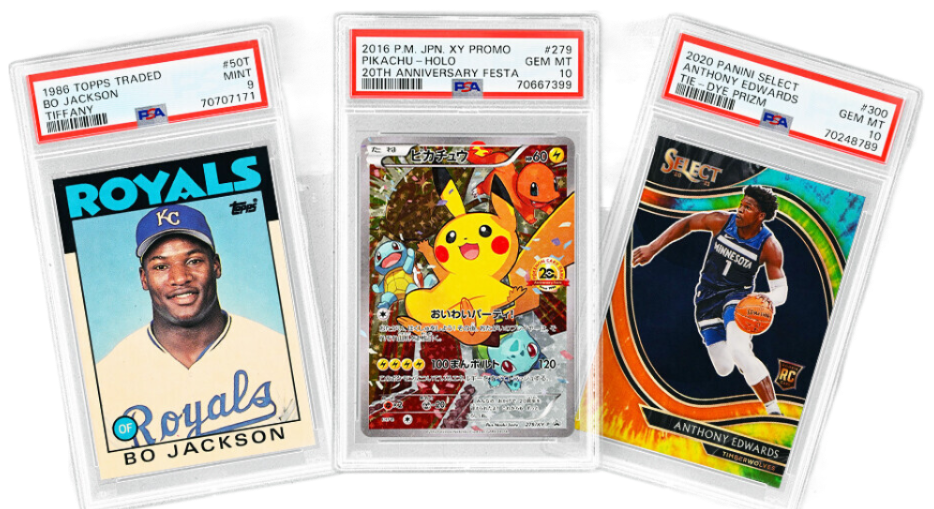
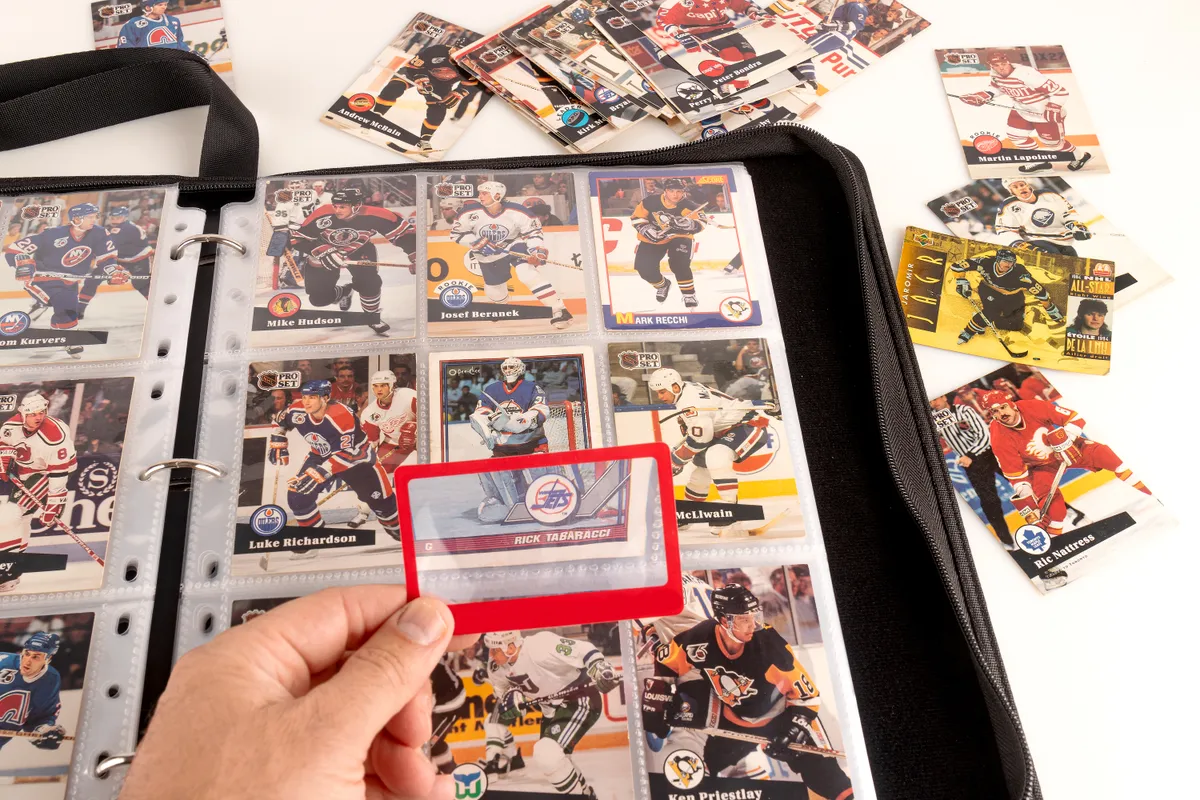
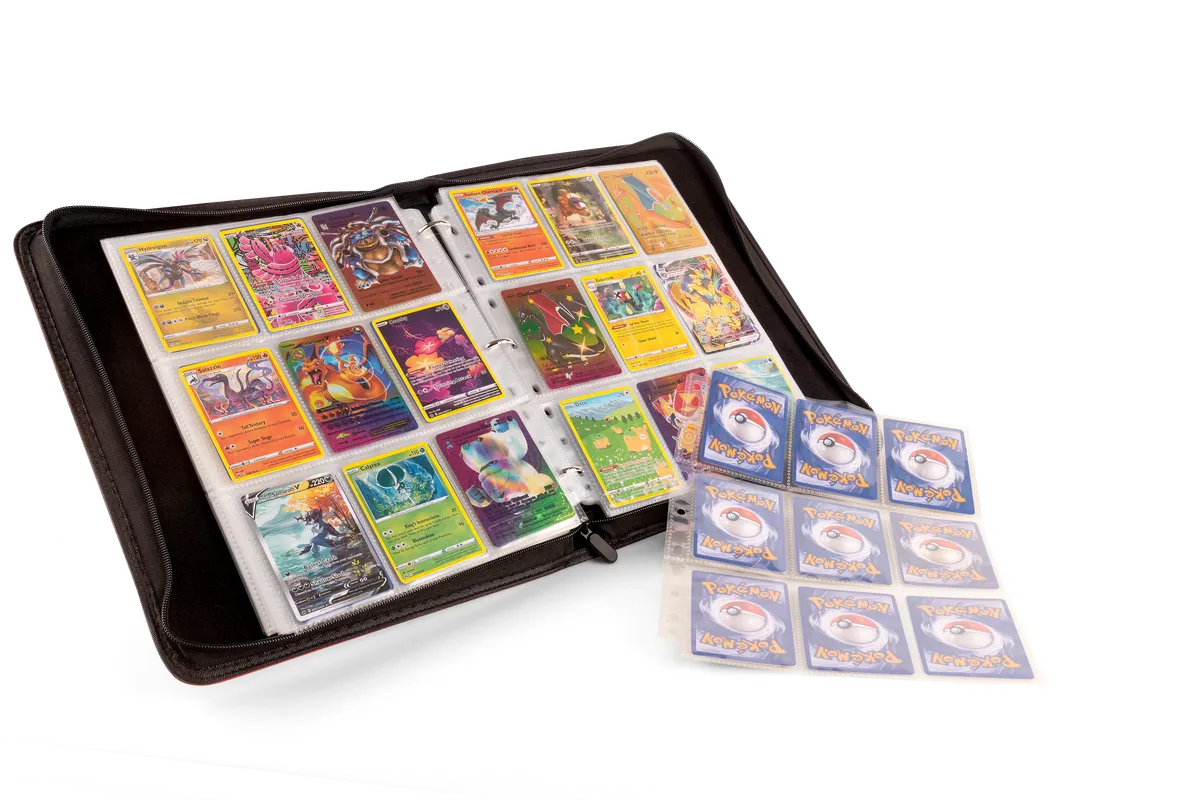
Proper storage environment and UV protection are the difference between a collection that appreciates and one that silently degrades.