You've invested hundreds—or thousands—into professionally graded cards. PSA 10s, BGS Black Labels, CGC Perfect 10s. But here's a question most collectors never ask until it's too late:
What exactly is protecting your slab from UV damage?
The answer might shock you. That crystal-clear PSA or BGS slab? It offers minimal UV protection—often blocking less than 50% of harmful ultraviolet radiation.
To truly safeguard your investment, you need to understand the material science behind 99% UV resistant acrylic—what it is, how it works, and why it's the gold standard for serious collectors in 2026.
Why Your Graded Slab Needs More Protection Than You Think {#why-protection}
Here's the uncomfortable truth: PSA and BGS do not market their slabs as UV-resistant. The clear polycarbonate or acrylic used in standard grading holders is designed for structural protection, tamper evidence, and optical clarity—not for blocking the UV radiation that destroys card value over time.
What UV Damage Actually Does to Your Cards
When UV rays strike your graded card—whether inside a slab or not—they trigger photodegradation:
-
Ink fading: Red and yellow pigments break down fastest, turning vibrant colors into washed-out pastels
-
Autograph deterioration: Signature inks oxidize, causing bold autographs to ghost or disappear entirely
-
Paper yellowing: UV promotes oxidation in paper fibers, turning white borders cream or tan
-
Slab yellowing: The acrylic holder itself can degrade, turning cloudy and brittle
-
Foil separation: Heat from light exposure dries adhesives, causing metallic layers to warp or peel
Without additional UV protection, a card displayed in moderate indoor lighting will show visible damage within 3–7 years. In direct sunlight? Weeks to months.
What Is UV Resistant Acrylic? The Science Explained {#what-is-uv-acrylic}
UV resistant acrylic is a specialized formulation of polymethyl methacrylate (PMMA)—the same base material as standard acrylic—but with UV-absorbing additives integrated into the polymer structure or applied as protective coatings.
How UV Filtering Works
Standard acrylic naturally blocks some UV radiation due to the molecular properties of PMMA. According to material data from major manufacturers, standard acrylic blocks approximately 92–95% of UV-B radiation but only around 70% of UV-A radiation.
UV-A rays (315–400 nm) are particularly dangerous because:
-
They penetrate deeper into materials than UV-B
-
They pass through standard window glass
-
They cause cumulative, irreversible damage over time
UV resistant acrylic is specifically engineered to block harmful UV rays within the 200–400 nm window, defined as blocking at least 98–99% for outdoor and archival applications.
The Additive Technology
UV protection in acrylic is achieved through:
-
UV-absorbing compounds (benzotriazoles, hydroxybenzophenones) added during polymerization
-
Multi-layer coatings applied to the surface
-
Nano-particle dispersion for enhanced blocking without color distortion
These additives absorb UV photons and convert them into harmless heat, preventing them from reaching your cards.
Standard Acrylic vs. UV Filtering Acrylic: The Critical Difference {#standard-vs-uv}
| Property | Standard Acrylic | UV Filtering Acrylic | Impact on Your Cards |
|---|---|---|---|
| UV-A Blocking (315–400 nm) | ~70% | 98–99.6% | UV-A causes the most fading; standard acrylic lets 30% through |
| UV-B Blocking (280–315 nm) | ~92–95% | 99%+ | Both perform reasonably well here |
| Visible Light Transmission | 92% | 90–92% | Minimal difference in clarity |
| Optical Clarity | Crystal clear | Crystal clear | No visible tint in quality grades |
| Long-term Yellowing | Moderate risk | Minimal risk | UV acrylic resists self-degradation |
| Cost | Lower | 20–40% higher | Negligible compared to card value |
The Bottom Line: Standard acrylic is fine for short-term storage or cards you don't care about. For graded cards worth $100+, UV filtering acrylic isn't optional—it's essential.
How 99% UV Acrylic Protects Your Cards {#how-it-protects}
The 99% Number: What It Really Means
When a manufacturer claims "99% UV protection," they're referring to the percentage of UV radiation (typically across the 280–400 nm spectrum) that is absorbed or reflected rather than transmitted through the material.
Here's what that looks like in practice:
| UV Exposure Scenario | No Protection | Standard Acrylic | 99% UV Acrylic |
|---|---|---|---|
| Direct sunlight (6 hrs/day) | Visible fading in 2–8 weeks | Fading in 6–18 months | Minimal fading after 5+ years |
| Indoor LED display (12 hrs/day) | Fading in 10–20 years | Fading in 15–25 years | Negligible fading for decades |
| Near window (indirect light) | Fading in 6–12 months | Fading in 2–4 years | Minimal fading after 10+ years |
Beyond UV: Additional Benefits of Quality Acrylic
Premium UV acrylic cases don't just block radiation—they also provide:
-
Weight savings: 50% lighter than glass, reducing stress on wall mounts and shelves
-
Shatter resistance: Unlike glass, acrylic won't shatter into dangerous shards
-
Crystal clarity: 92% light transmission preserves the visual brilliance of your cards
-
Chemical stability: Resists yellowing and clouding over time
Acrylic vs. Polycarbonate vs. Glass: The Material Showdown {#material-showdown}
When choosing display protection, collectors often debate between three materials. Here's the definitive breakdown:
| Property | UV Acrylic | Polycarbonate | Glass |
|---|---|---|---|
| UV Blocking (99% grade) | 98–99.6% | 100% (inherent) | 90–99% (with coating) |
| Optical Clarity | 92% transmission | 88% transmission | 90% transmission |
| Impact Resistance | 17× glass | 250× glass | Fragile |
| Weight | Light | Light | Heavy |
| Scratch Resistance | Moderate (can be polished) | Low (scratches easily) | High |
| Yellowing Over Time | Minimal (3% over 10 years) | Moderate (yellows under UV) | None |
| Cost | Moderate | Higher | High |
| Best For | Display cases, framing | Safety shields, shipping | Museum vitrines |
The Polycarbonate Paradox
Polycarbonate naturally blocks 100% of UV radiation—it's built into the material chemistry. So why don't all collectors use polycarbonate cases?
Two reasons:
-
Lower clarity: At 88% light transmission vs. acrylic's 92%, polycarbonate has a slightly hazier appearance that can reduce the "pop" of your cards.
For maximum card protection where the case itself is also protected from UV exposure, polycarbonate is unbeatable. For display cases that will be exposed to ambient light, UV-filtering acrylic is the superior choice.
Types of UV Acrylic for Card Displays {#types-of-uv-acrylic}
Not all UV acrylic is created equal. The industry recognizes several grades:
1. UV Filtering Acrylic (Standard Conservation Grade)
-
Blocks 98–99% of UV radiation
-
Ideal for general card protection and display
-
Used in most premium slab cases and frames
2. Museum Acrylic (Premium Grade)
-
Combines UV filtering with anti-reflective properties
-
Designed specifically to prevent oxidization and degradation over time
-
Virtually eliminates glare for photography and display
3. Frame Grade Acrylic
-
Camera-inspected to ensure zero imperfections
-
Superior color, clarity, and integrity
-
The gold standard for professional framing
4. Anti-Reflective + UV Combo
-
Dual-coating technology
-
Reduces glare by up to 85% while maintaining UV protection
-
Perfect for cards displayed under lighting or photographed frequently
What to Look for When Buying UV Acrylic Cases {#buying-guide}
The market is flooded with products claiming "UV protection." Here's how to separate marketing fluff from real protection:
1. Demand Specific UV Block Percentages
Look for independent lab data specifying attenuation at:
-
315 nm (UV-B)
-
365 nm (UV-A)
2. Check the Material Thickness
| Application | Recommended Thickness |
|---|---|
| Single card display case | 3–5 mm |
| Multi-card display frame | 4–6 mm |
| Wall-mounted cabinet | 5–8 mm |
| Shipping protection | 8–10 mm |
Thinner films (<1.5 mm) offer minimal impact resistance even if they filter UV.
3. Verify the Protection Method
| Durability | Notes | |
|---|---|---|
| Inherent UV additives (mixed into polymer) | Excellent | Protection won't wear off |
| Surface coating | Good | Can scratch off over time |
| Multi-layer laminate | Very Good | Best of both worlds |
4. Look for Brand Names You Can Trust
Established acrylic manufacturers with verified UV products:
| Brand | Product | UV Block | Best For |
|---|---|---|---|
| Plexiglas | UF3 | 98%+ | General framing and display |
| Plexiglas | VAR 99 | 99%+ | Anti-reflective gallery display |
| Acrylite | OP3 | 98%+ | North American framing standard |
| Acrylite | DSA | 99%+ | Deep anti-reflective museum grade |
| Tru-Vue | Museum Acrylic | 99%+ | Premium anti-reflective + UV |
5. Red Flags to Avoid
-
❌ Vague claims like "blocks harmful UV rays" without percentages
-
❌ No wavelength data or lab testing references
-
❌ Extremely low prices (quality UV acrylic costs more to produce)
-
❌ Products that feel cloudy, tinted, or have visible imperfections
Top UV Acrylic Display Solutions for 2026 {#top-products}
Based on material specifications, collector reviews, and UV performance data, here are the standout options:
Tier 1: Museum-Grade Protection (99%+ UV Block)
| Product | UV Protection | Material | Standout Feature | Price |
|---|---|---|---|---|
| Phantom Display Ultra | 99.6% | 10mm cast acrylic | Premium magnetic closure, desk/wall mount | $$$ |
| Slab Museum Vertical Case | 99%+ | Crystal clear museum acrylic | Anti-reflective coating, elegant design | $$$ |
| DisplayGifts Pro UV 36 | 98% | Grade A+ acrylic | Lockable cabinet, holds 36 slabs | $$ |
Tier 2: Excellent Protection (97–99% UV Block)
| Product | UV Protection | Material | Standout Feature | Price |
|---|---|---|---|---|
| M2Vault BGS Case + Stand | 97%+ | 8mm premium cast acrylic | Graded Guard compatible, magnetic seal | $$ |
| Drip Vault Premium Slab Frame | 99% | Crystal-clear acrylic | Flush wall mount, sleek aesthetic | $$ |
| Kulshan Museum Grade Case | 99%+ | Museum grade acrylic | Max UV protection branding | $$ |
Tier 3: Solid Protection (90–97% UV Block)
| Product | UV Protection | Material | Best For | Price |
|---|---|---|---|---|
| BCW UV-Protected Cases | 90–95% | UV-filtered acrylic | Budget-conscious collectors | $ |
| Pro-Mold UV Cases | 95%+ | UV-filtered acrylic | Reliable mid-range option | $ |
Pro Tip: For cards valued at $500+, always choose Tier 1 or 2. The cost difference ($15–$40) is insignificant compared to the protection value.
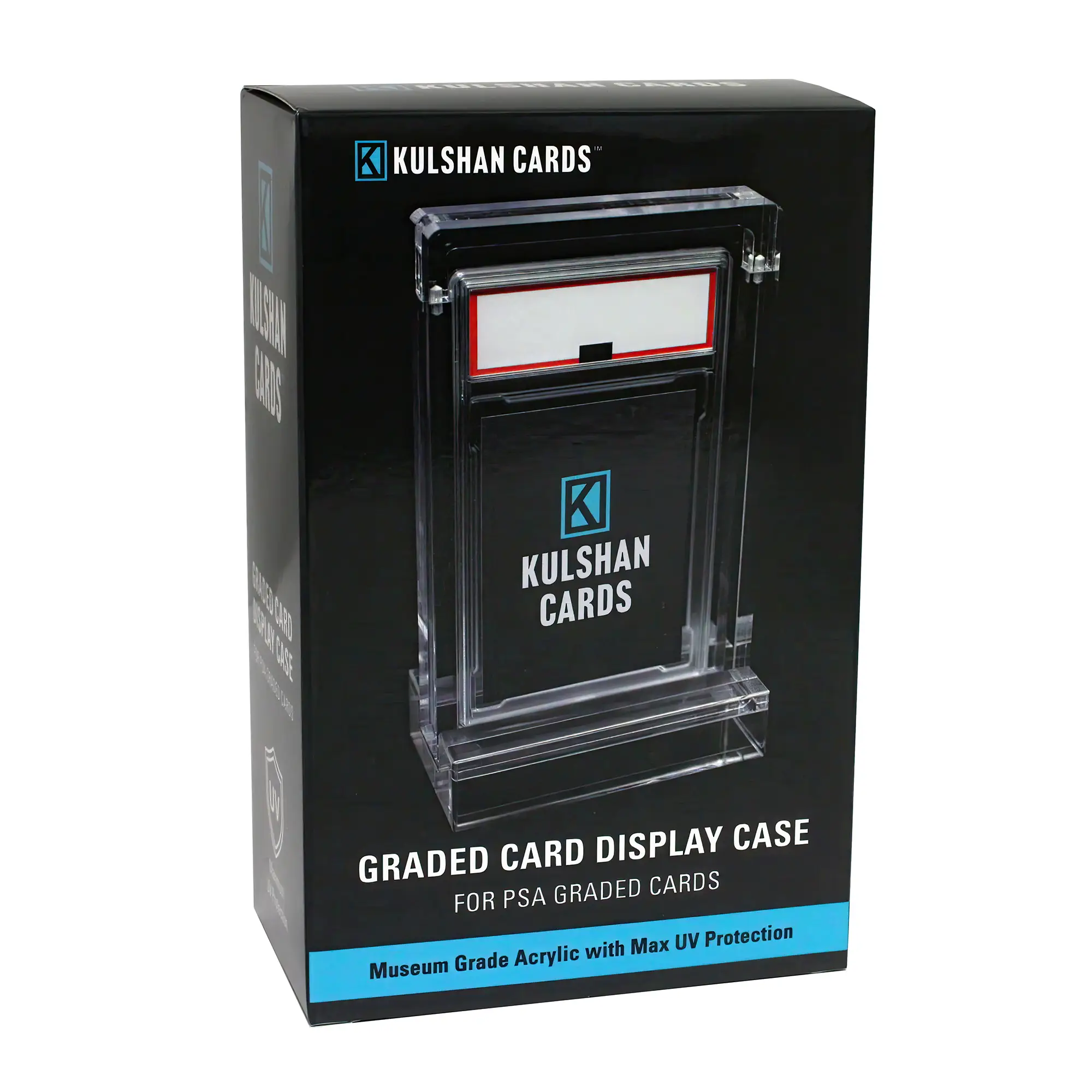
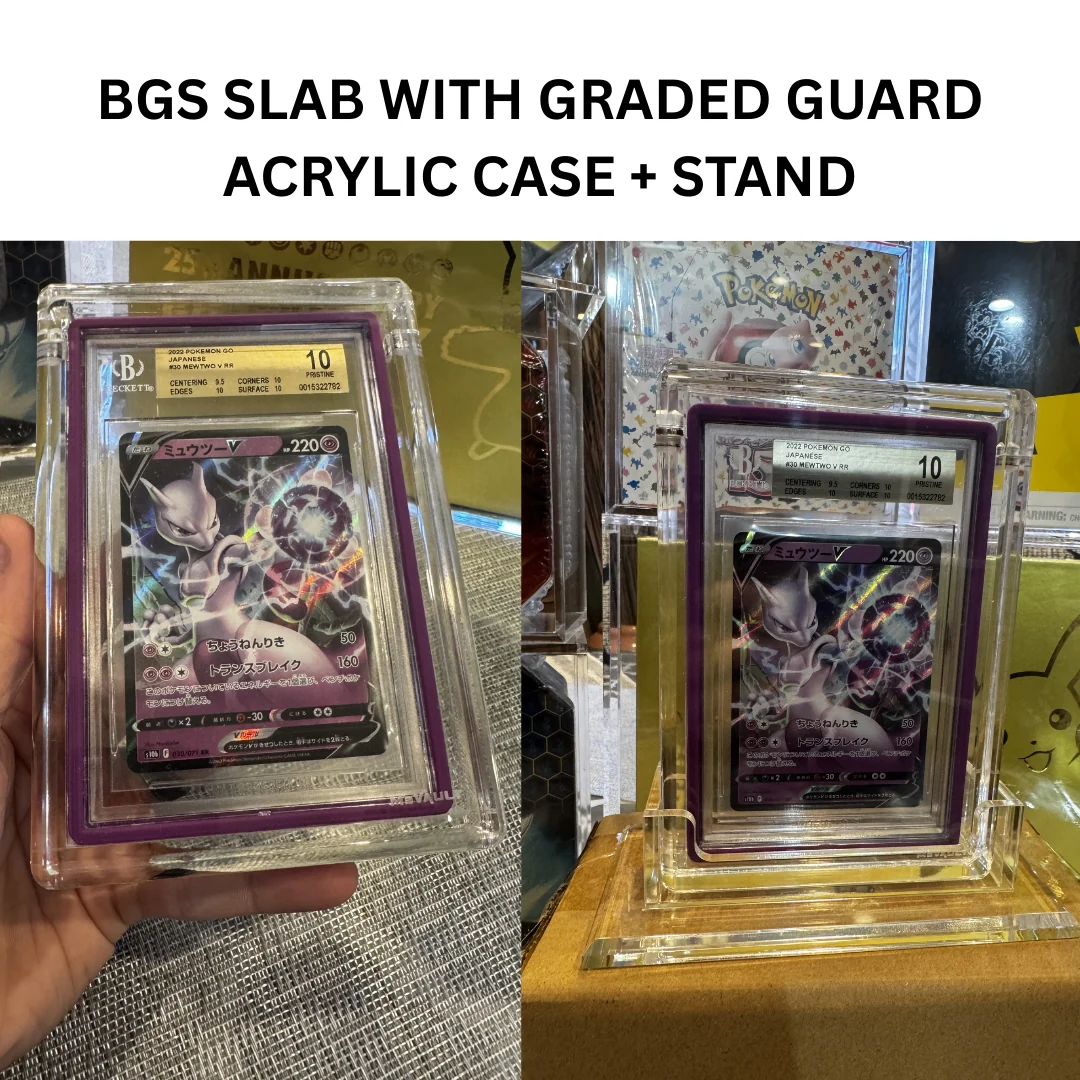
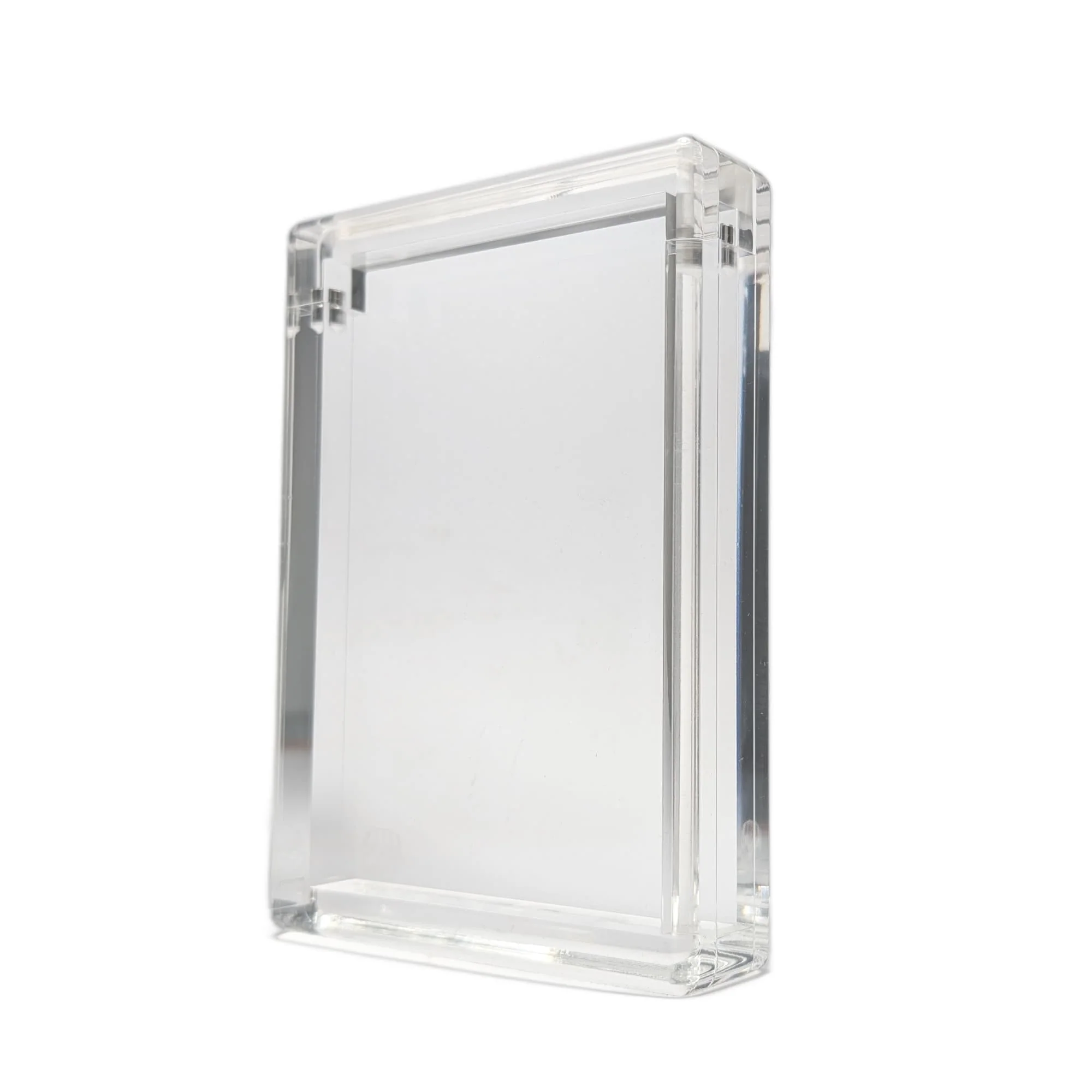
Museum-grade acrylic cases from top brands provide the clarity and UV protection serious collectors demand.
FAQ: UV Acrylic for Graded Cards {#faq}
Does 99% UV acrylic look tinted or cloudy?
No. High-quality UV filtering acrylic is optically clear with 90–92% visible light transmission. The UV-blocking additives are invisible to the naked eye. Only cheap or poorly manufactured UV acrylic may have a slight yellowish tint.
How long does UV protection last in acrylic cases?
Decades. When UV protection is built into the polymer (not just a surface coating), it remains effective for 20+ years under normal indoor conditions. Surface coatings may degrade faster (5–10 years) if the case is frequently cleaned or scratched.
Can I add UV film to a standard acrylic case instead?
Yes, but it's inferior. UV-filtering window films can be applied to standard cases, but they scratch easily, may bubble over time, and rarely achieve the 99% block rate of integrated UV acrylic. For valuable cards, invest in cases with built-in UV protection.
Is 99% UV protection enough, or do I need 100%?
99% is sufficient for virtually all collecting scenarios. The difference between 99% and 100% protection is negligible in practice. What matters more is consistent protection across the full UV spectrum (UV-A and UV-B) and proper case sealing to prevent dust and moisture.
Do I still need UV acrylic if my cards are in a dark closet?
No. UV acrylic is specifically for displayed cards or storage areas with light exposure. For dark, climate-controlled storage, standard archival boxes are sufficient. UV acrylic becomes essential the moment light touches your cards.
What's the difference between "UV resistant" and "UV filtering"?
-
UV Resistant: The material itself resists UV degradation (won't yellow)
-
UV Filtering: The material blocks UV rays from passing through
A case can be UV resistant (won't turn yellow) without filtering UV (protecting your cards). You need both properties.
Can UV acrylic cases prevent slab yellowing too?
Yes. Quality UV acrylic protects both the card inside AND the slab itself. Standard acrylic slabs can yellow and become brittle when exposed to UV over time. A UV-filtering outer case shields the slab from the radiation that causes this degradation.
Conclusion: Invest in True Protection {#conclusion}
Your graded cards represent significant financial investment, emotional attachment, and years of collecting effort. The slab they come in is designed for authentication and tamper evidence—not for long-term preservation against light damage.
99% UV resistant acrylic is the standard that museums, galleries, and serious collectors rely on for a reason: it works. It blocks the UV radiation that fades inks, yellows paper, destroys autographs, and degrades slabs themselves.
Here's your checklist for protecting your collection:
| Priority | Action |
|---|---|
| 🔴 Critical | Never display graded cards without additional UV protection |
| 🟠 High | Invest in 98–99.6% UV filtering acrylic cases for all displayed slabs |
| 🟡 Medium | Choose museum-grade or frame-grade acrylic for cards over $500 |
| 🟢 Ongoing | Inspect cases annually for scratches or coating degradation |
The cost of a premium UV acrylic case ($25–$60) is trivial compared to the irreversible loss of a faded rookie card, a ghosted autograph, or a yellowed slab that drops your PSA 10's resale value by 30%.
Don't just display your collection. Protect it with the science it deserves.
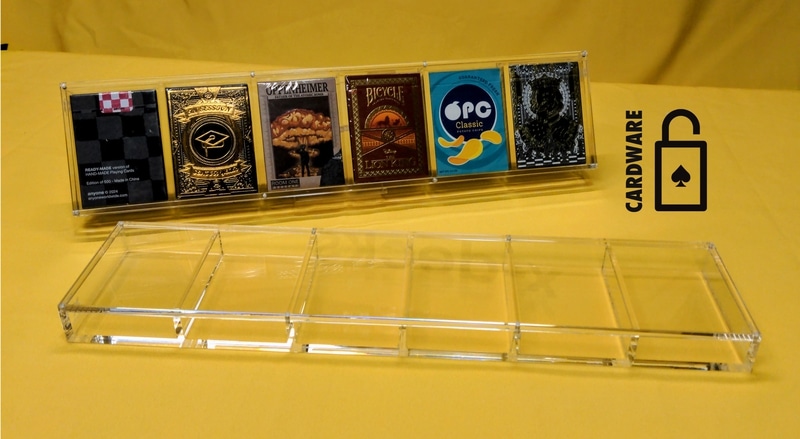
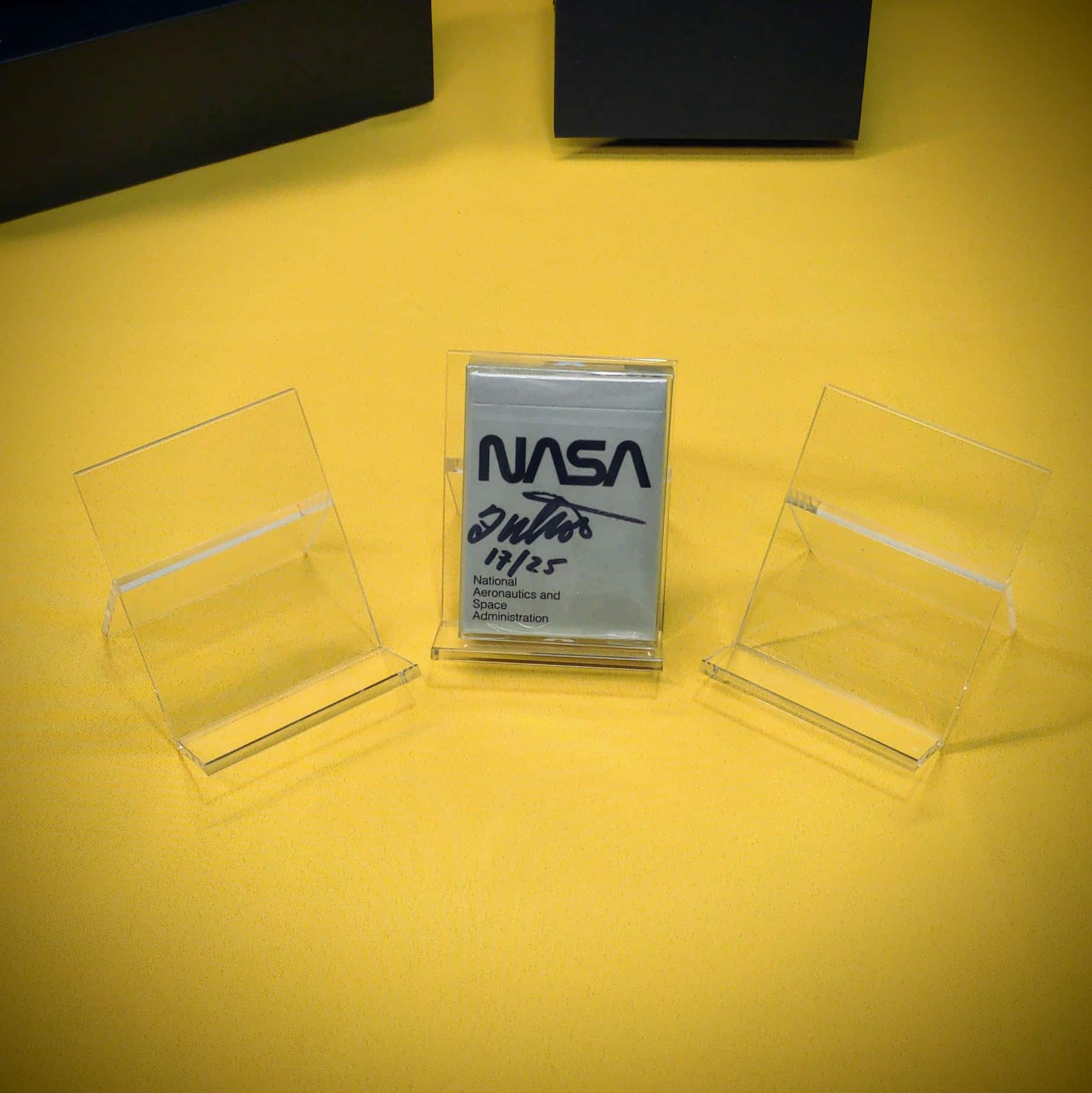
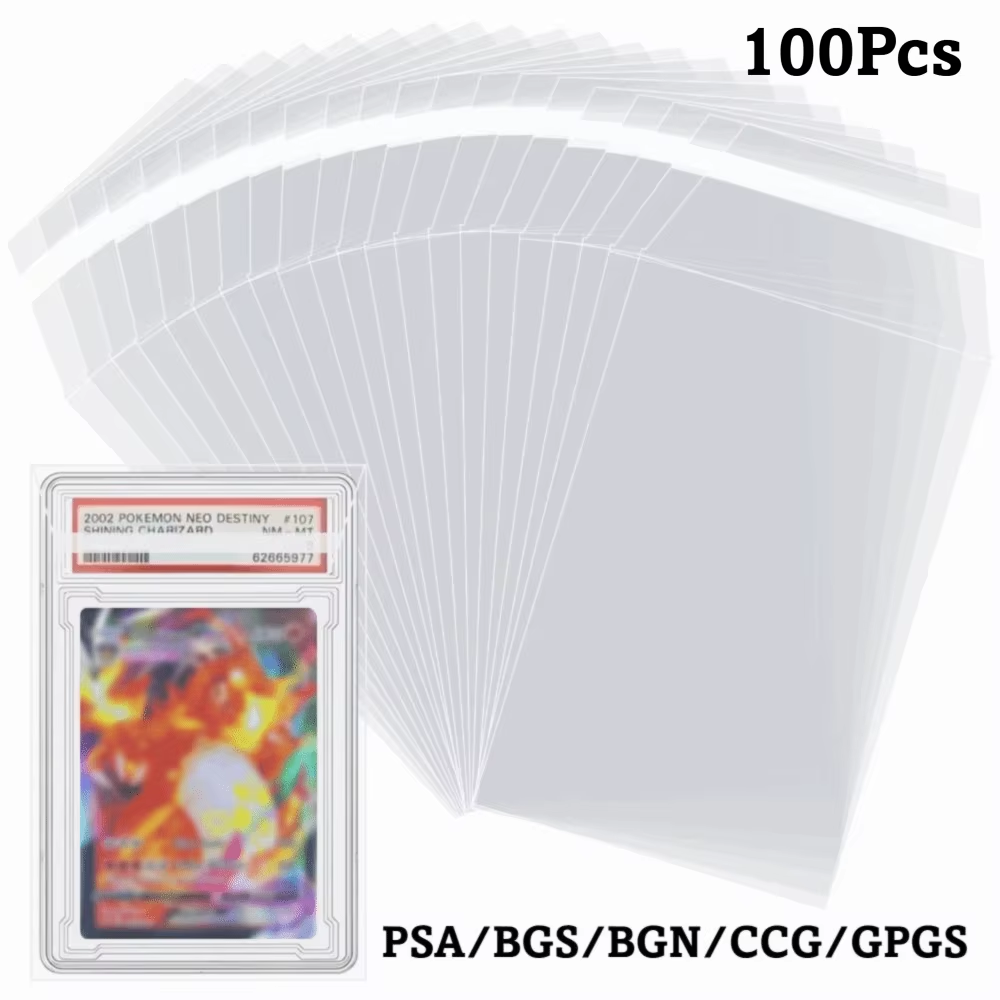
UV-resistant acrylic display solutions come in many forms—from single slab cases to multi-card frames and protective sleeves.