You spent $500 on grading. You waited three months for the results. You finally hold that pristine PSA 10 Charizard in your hands, encased in its crystal-clear slab, the red label gleaming like a badge of honor.
And then... you put it in a shoebox.
Graded cards represent the pinnacle of collecting. The slab itself is a statement: this card has been authenticated, evaluated, and preserved at a professional standard. So why do so many collectors hide their slabs in storage bins, desk drawers, or—worst of all—stacked in precarious piles where scratches and edge damage are inevitable?
In 2026, with the global trading card market exceeding $1.88 billion and 67% of collectors preferring professionally graded cards, how you display your slabs is no longer an afterthought. It's a reflection of your investment discipline, your collector identity, and your respect for the hobby itself.
At Kaapai, we engineer display solutions specifically for the serious slab collector. This guide covers everything from single-card spotlight cases to full-wall gallery installations—because your grades deserve a stage.
Why Graded Card Display Matters More Than Ever
The slab is more than protection. It's a presentation format. PSA, BGS, and CGC slabs are designed to be displayed, with their labels, holograms, and pristine surfaces meant to catch light and attention.
But improper display undermines everything grading achieved:
-
UV exposure fades holographic foils and yellows labels over time
-
Stacking slabs creates micro-scratches on surfaces and edges
-
Loose storage allows rattling that chips slab corners
-
Poor lighting obscures the very details that earned your card its grade
A PSA 10 card in a scratched, sun-damaged slab might as well be a PSA 8. The display is part of the grade.
1. Single-Slab Spotlight: The Desktop Display Stand
For your crown jewel—the one card that defines your collection—nothing less than a dedicated spotlight case will do.
What to Look For:
Precision Fit: The case should cradle the slab without pressure points. Generic acrylic boxes allow rattling, which creates abrasion over time. Look for recessed mounts with EVA foam inserts sized specifically for PSA, BGS, or CGC slab dimensions.
99.6% UV Protection: The slab itself offers minimal UV defense. Premium display cases use cast acrylic with embedded UV-inhibiting polymers—not surface sprays that wear off. This is molecular-level protection that lasts decades.
Magnetic Closure: N52 neodymium magnets create a tight, dust-free seal while allowing instant access. No screws to cross-thread. No latches to fumble with.
Integrated Lighting: App-controlled or remote LED bases elevate a simple stand into a gallery piece. Neutral white 4000K–5000K LEDs show true card colors; RGB options let you match team or franchise themes.
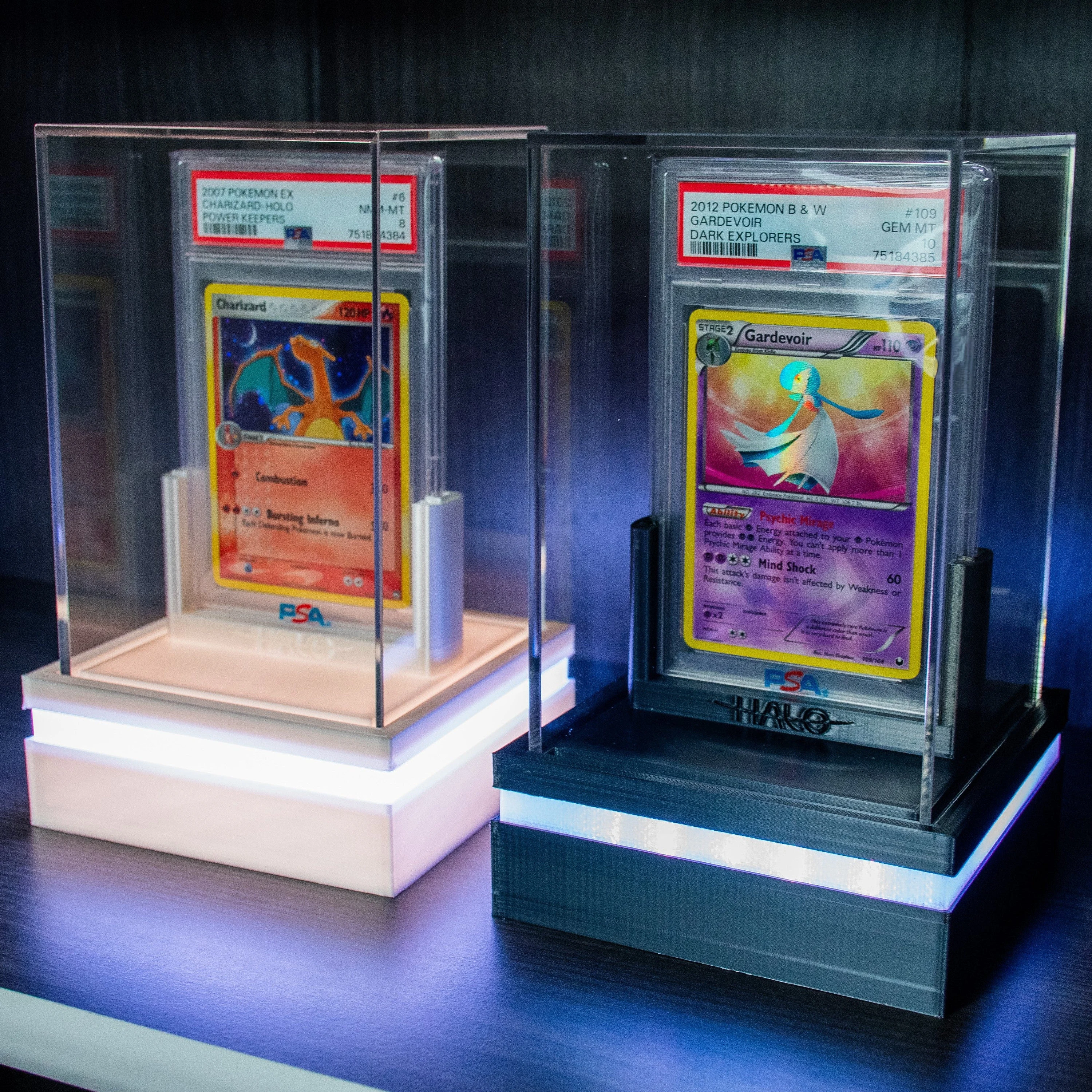
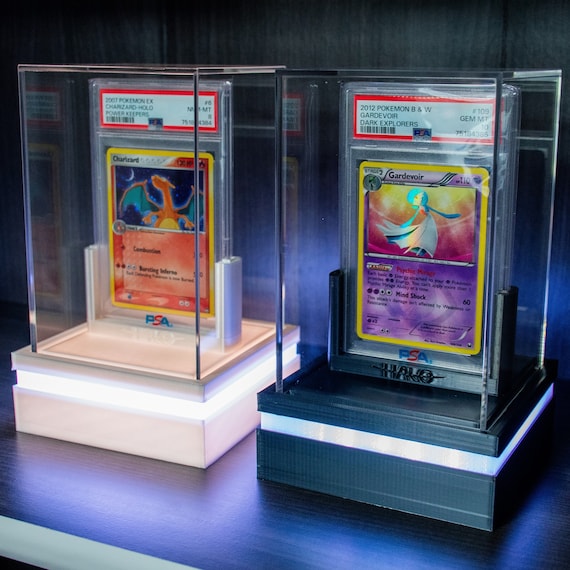
Premium LED-integrated slab display stands transform single cards into gallery centerpieces—perfect for your grail piece.
Kaapai Recommendation: Our Single-Slab Display Case features cast acrylic construction, 99.6% UV filtration, and a magnetic base compatible with optional LED pedestal lighting.
2. The Gallery Wall: Multi-Slab Display Panels
When one card isn't enough, the gallery wall is the ultimate statement. It's where your collection becomes art.
Design Principles for Slab Walls:
Grid Symmetry: PSA, BGS, and CGC slabs have slightly different dimensions. A grid designed for PSA slabs will leave BGS slabs loose or force CGC slabs tight. Use modular panels with adjustable slot widths, or dedicate separate grids to each grading company.
Consistent Spacing: Leave 1.5–2 inches between slabs. Less looks crowded; more looks sparse. The goal is a cohesive visual field where each card has room to breathe.
Angled Viewing: Wall-mounted panels should position slabs at 5–10° from vertical. This eliminates glare from overhead lighting while maintaining easy viewing.
Secure Mounting: Slabs are heavy. A 40-slab wall panel can weigh 15+ pounds. Use wall anchors rated for at least twice the expected load, and mount into studs whenever possible.
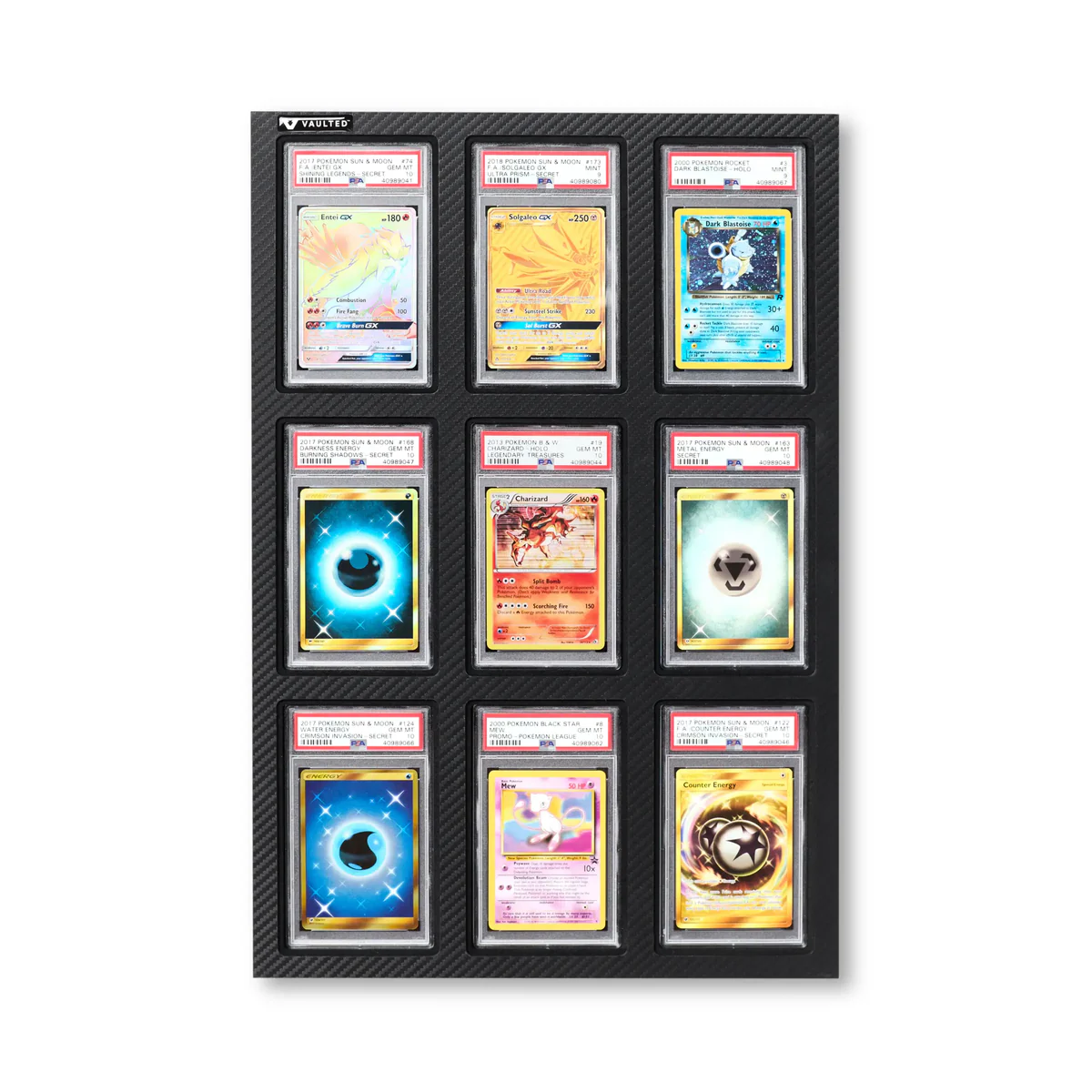

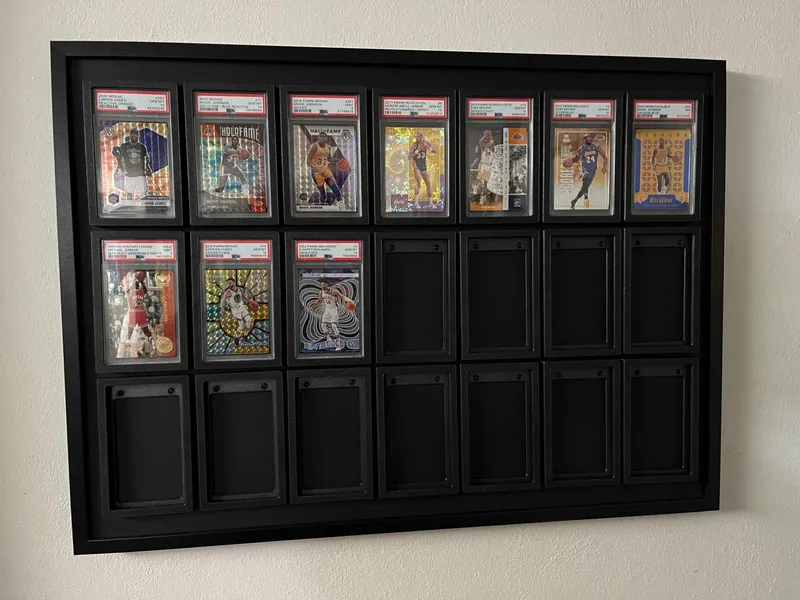
Wall-mounted display panels with precision-fit slots create stunning gallery walls—ideal for showcasing complete sets or themed collections.
Kaapai Recommendation: Our Multi-Slab Wall Panels feature carbon-fiber textured backing, precision-cut slots for all three major grading companies, and integrated cable channels for optional LED backlighting.
3. The Vault: Locking Display Cabinets for Serious Collections
For collections valued in the tens of thousands, security isn't optional. A locking display cabinet combines museum-grade presentation with vault-level protection.
Essential Features:
Electronic Locking: Keypad or biometric locks eliminate the risk of lost keys. Some cabinets offer smartphone app integration for remote monitoring.
Tempered Glass or Cast Acrylic Front: Visibility without vulnerability. Tempered glass resists impact; cast acrylic offers UV protection and shatter resistance.
Interior LED Lighting: Integrated strips with dimmable controls. Look for low-heat LEDs to prevent slab warping over time.
Climate Control: Some premium cabinets include humidity regulation. Maintain 40–50% relative humidity to prevent label peeling and internal condensation.
Adjustable Shelving: Slab dimensions vary by grading company and card size. Adjustable shelves accommodate PSA's standard slabs, BGS's thicker cases, and CGC's comic-sized holders.
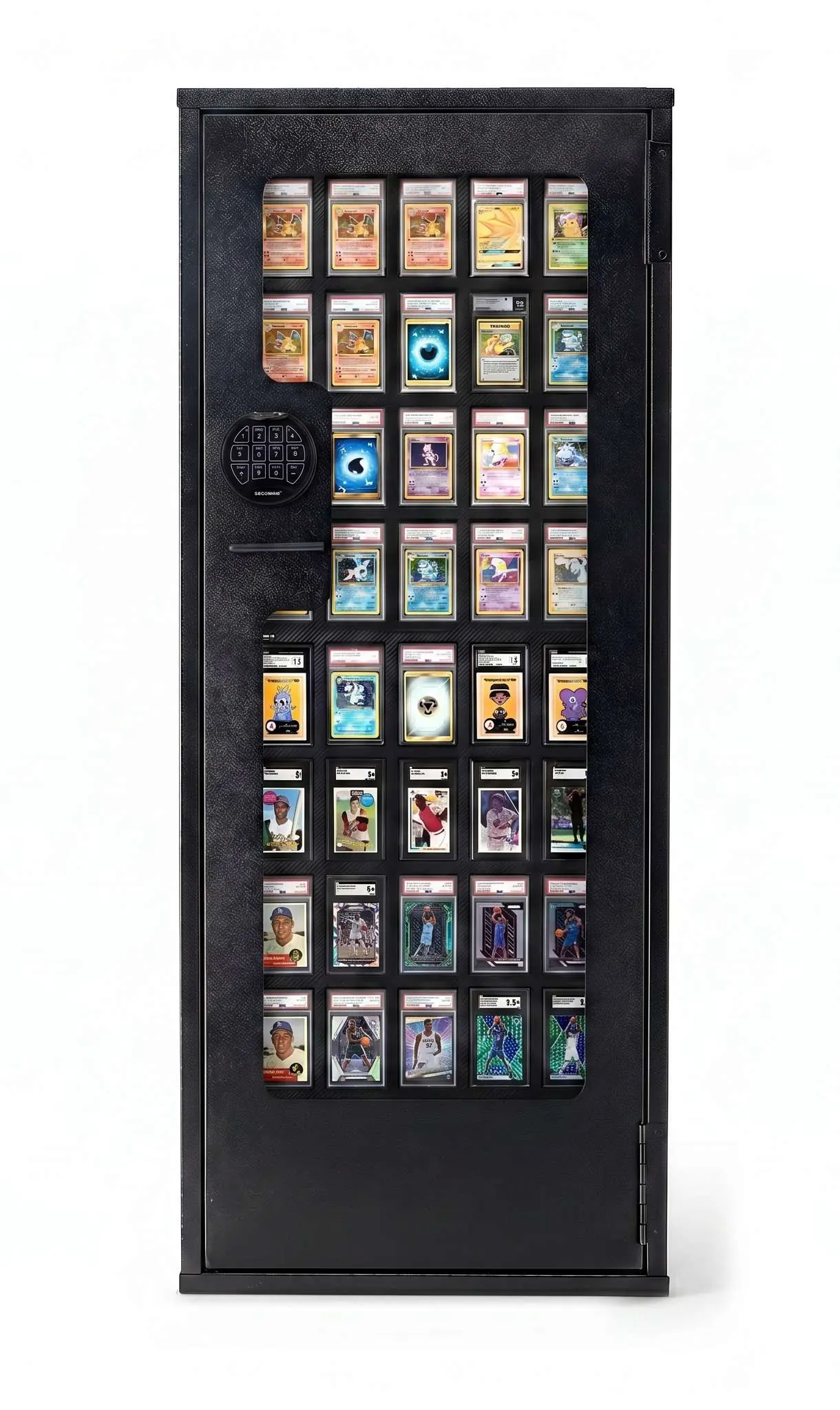
A locking display cabinet with electronic keypad and integrated LED lighting provides vault-level security for high-value graded collections.
Kaapai Recommendation: Our Vault Series Display Cabinet features a SecuRam electronic keypad, 99.6% UV-blocking cast acrylic viewing window, and adjustable shelving rated for 100+ mixed slabs.
4. The Transport Case: Slab Protection on the Move
Shows, trades, and grading submissions require mobility. But transport is where most slab damage occurs.
The Anatomy of a Proper Slab Transport Case:
Rigid Shell: Aluminum or reinforced polymer construction that resists crushing. Ribbed exterior walls add structural strength without excessive weight.
Foam Inserts: Precision-cut foam slots that hold each slab individually. No stacking. No touching. No rattling. Each slab should sit in its own compartment with zero lateral movement.
Shock Absorption: Closed-cell foam absorbs impact energy. Look for at least 0.5" of foam thickness on all sides of each slab slot.
Weather Sealing: Gasketed lids prevent moisture infiltration during travel. Essential for shows in humid climates or unexpected weather.
Combo Lock Security: TSA-approved combination locks for air travel, or standard combo locks for local shows.
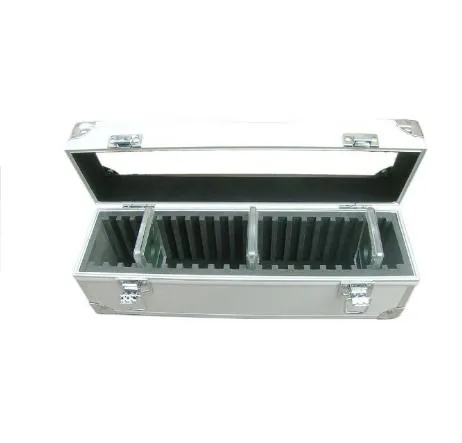
Aluminum transport cases with precision-cut foam inserts protect slabs during travel—essential for conventions, trade shows, and grading submissions.
Kaapai Recommendation: Our Slab Transport Case features aircraft-grade aluminum, custom EVA foam inserts for 40+ slabs, and a TSA-approved combination lock system.
5. The Frame Alternative: Slab Display Frames
For collectors who prefer a traditional art-gallery aesthetic, slab-specific frames offer a refined presentation option.
Frame Types:
Shadow Box Frames: Deep frames (2–3") that accommodate slab thickness while creating a floating effect. Black velvet backing makes card colors pop.
Carbon Fiber Panels: Modern, tech-forward aesthetic with precision-molded slab slots. The textured surface hides mounting hardware and creates a premium look.
Wooden Frames: Classic warmth for vintage collections. Oak and walnut complement the traditional aesthetic of pre-war baseball cards and early Magic: The Gathering sets.
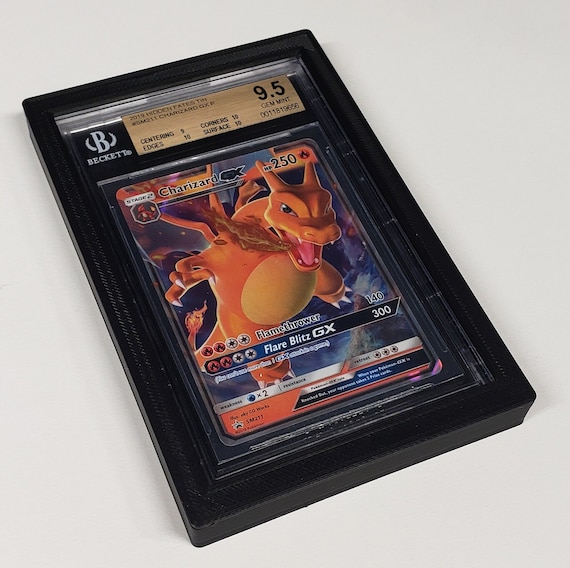
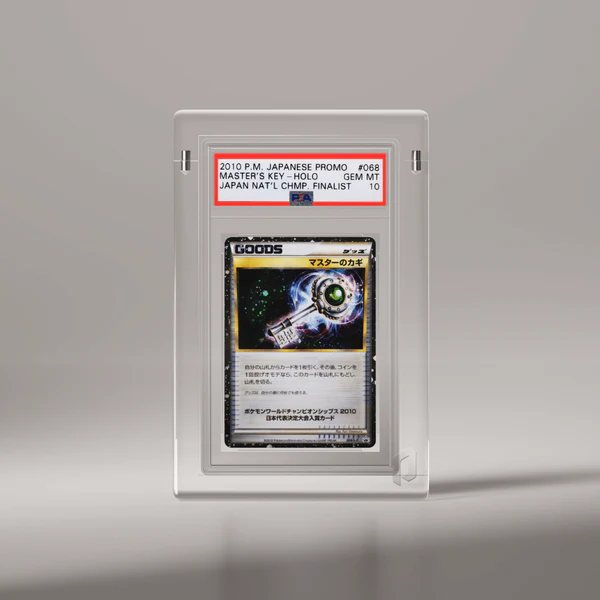
BGS slab display frames and carbon-fiber panel mounts offer refined, gallery-style presentation for individual graded cards.
Kaapai Recommendation: Our Carbon-Fiber Slab Frame holds 9 PSA slabs in a precision-cut grid, with optional LED backlighting and wall-mount hardware included.
6. Slab-Specific Considerations: PSA vs. BGS vs. CGC
Not all slabs are created equal, and your display should account for these differences:
| Feature | PSA | BGS | CGC |
|---|---|---|---|
| Slab Thickness | Standard (3.5mm) | Thicker (4.5mm) | Variable (3.5–5mm) |
| Label Color | Red/White | Gold/Black | Blue/White |
| Dimensions | 3" × 5" | 3" × 5.25" | 3.5" × 5.5" (comic) |
| Display Consideration | Most common; most accessories fit | Requires deeper slots/cases | Comic-sized; needs larger compartments |
The PSA Advantage: PSA slabs are the industry standard. Most display accessories are designed around their dimensions first. If your collection is primarily PSA, you have the widest selection of compatible display products.
The BGS Challenge: BGS slabs are thicker and slightly longer. Generic "universal" cases often fit PSA perfectly but force BGS slabs in at an angle, creating stress points. Look for display cases specifically rated for BGS dimensions.
The CGC Outlier: CGC comic slabs are larger than standard card slabs. Many card-specific display cases won't accommodate them. Always verify interior dimensions before purchasing.
Kaapai Solution: All Kaapai slab display products are engineered with adjustable slot widths and depth-tolerant foam inserts that securely hold PSA, BGS, and CGC slabs without modification.
7. Lighting for Slabs: The Technical Details
Lighting can make or break your slab display. The red PSA label, the gold BGS border, the holographic CGC seal—these elements are designed to catch light. Your job is to give them the right light.
Color Temperature Guidelines:
-
4000K–5000K Neutral White: Accurate color rendering for all card types. Best for general display and photography.
-
2700K–3000K Warm White: Cozy, inviting atmosphere. Complements vintage cards and wooden frames.
-
RGB Accent: Match lighting to label colors—red for PSA, gold for BGS, blue for CGC. Creates themed visual impact.
Positioning Rules:
-
30–45° angle from vertical minimizes glare on slab surfaces
-
12–18 inches from slab face provides even illumination without hotspots
-
Dimmable controls reduce intensity during non-viewing hours to limit cumulative light exposure
Critical Warning: Never use incandescent or halogen bulbs near slabs. They generate heat that can warp plastic cases and accelerate label degradation over time.
8. Environmental Control: The Invisible Foundation
Even the perfect display case fails if the environment is wrong:
Humidity: 40–50% relative humidity. Higher promotes label peeling and internal condensation; lower causes brittleness. Use silica gel packs inside sealed cases.
Temperature: 65–72°F (18–22°C). Avoid attics, basements, and areas near heating vents.
Positioning: Never display slabs in direct sunlight. Even with UV-blocking cases, heat buildup from sun exposure can warp slab plastic over time.
Handling: Always use clean hands or cotton gloves when moving slabs. Finger oils accumulate on surfaces and attract dust.
Kaapai's Graded Card Display Product Line
| Product | Capacity | Key Features | Best For |
|---|---|---|---|
| Single-Slab Display Case | 1 slab | 99.6% UV, magnetic seal, LED-compatible base | Grail cards, desk display |
| Multi-Slab Wall Panel | 9–40 slabs | Carbon-fiber backing, adjustable slots, LED channels | Gallery walls, themed sets |
| Vault Series Cabinet | 100+ slabs | Electronic lock, climate-ready, adjustable shelving | High-value collections |
| Slab Transport Case | 40+ slabs | Aircraft aluminum, precision foam, TSA lock | Shows, travel, grading |
| Carbon-Fiber Frame | 9 slabs | Precision grid, optional backlighting, wall-mount | Gallery-style presentation |
Available on Shopify, Amazon, and directly at kaapai.com.
Final Thoughts: Your Grade Deserves a Stage
A PSA 10, BGS 9.5, or CGC 9.8 isn't just a grade—it's a certification of excellence. It represents the culmination of careful acquisition, professional evaluation, and patient waiting. That slab deserves more than a shoebox. It deserves a display that honors the investment you've made.
In 2026, the graded card market is more valuable than ever. The difference between a well-displayed collection and a poorly stored one isn't just aesthetics—it's preservation, security, and resale value. Every scratch on a slab case, every faded holographic, every warped label reduces the very grade you paid to achieve.
Don't let your grades down. Give them a stage worthy of their excellence.
Your slabs are perfect. Your display should be too.
Shop Kaapai Graded Card Display Solutions → kaapai.com
Frequently Asked Questions (FAQ)
Q1: Do I really need a special display case for graded slabs, or can I use regular card sleeves?
A: Graded slabs are thicker, heavier, and more valuable than raw cards. Regular sleeves and toploaders won't fit, and generic plastic boxes allow rattling that damages slab edges. Dedicated slab display cases with precision-fit foam inserts and 99.6% UV protection are essential for preserving both the card and the slab's condition.
Q2: What's the difference between PSA, BGS, and CGC slab dimensions?
A: PSA slabs are approximately 3" × 5" × 3.5mm thick. BGS slabs are slightly longer and thicker at ~3" × 5.25" × 4.5mm. CGC comic slabs are larger at ~3.5" × 5.5" with variable thickness. Always verify that your display case specifically accommodates your grading company's dimensions, or choose adjustable-slot designs like Kaapai's universal fit system.
Q3: Will LED lights damage my graded cards over time?
A: Quality low-heat LEDs (4000K–5000K) are safe for graded cards when properly positioned. The danger comes from incandescent/halogen bulbs (excessive heat) and high-UV LEDs. Use dimmable lights, position them 12–18 inches from slabs, and reduce intensity during non-viewing hours to minimize cumulative exposure.
Q4: How do I prevent dust from getting inside my slab display case?
A: Look for cases with magnetic seals or rubber gaskets. Kaapai's display cases use N52 neodymium magnetic closures that create tight, dust-blocking seals. For extra protection in high-dust environments, place small air purifiers near your display area and clean exteriors monthly with microfiber cloths.
Q5: Are locking display cabinets necessary, or are they overkill?
A: If your collection includes slabs valued at $500+ each, or if you have children, pets, or frequent visitors, locking cabinets are essential insurance. They protect against accidental handling, theft, and environmental factors. Even in private spaces, the peace of mind is worth the investment.
Q6: Can I stack graded slabs for storage?
A: Never stack slabs. The weight of upper slabs creates pressure points that scratch lower slabs' surfaces and chip edges. Always store slabs vertically in individual slots or horizontally in single-layer foam inserts. Stacking is the fastest way to degrade a PSA 10 into a PSA 8 appearance.
Q7: How do I clean my slab display case without damaging the UV coating?
A: Use a microfiber cloth slightly dampened with distilled water. Avoid ammonia-based cleaners, alcohol, or abrasive materials—these can damage UV-inhibiting coatings and scratch acrylic surfaces. For stubborn spots, use a dedicated acrylic cleaner. Never spray cleaning solution directly onto the case; apply to the cloth first.
Q8: What's the best way to transport slabs to a card show or grading event?
A: Use a rigid aluminum or reinforced polymer case with precision-cut foam inserts. Each slab should have its own compartment with zero movement. Look for TSA-approved locks for air travel, weather-sealed lids for humidity protection, and shock-absorbing foam at least 0.5" thick on all sides. Kaapai's Slab Transport Case meets all these specifications.
Q9: Can I display slabs from different grading companies in the same wall panel?
A: Yes, but only if the panel has adjustable slot widths. Fixed-width panels designed for PSA will leave BGS slabs loose or force CGC slabs to fit poorly. Look for modular panels with adjustable inserts, or use separate panels for each grading company to maintain a clean, uniform appearance.
Q10: Where can I buy Kaapai graded card display cases?
A: Kaapai products are available on our Shopify store, Amazon, and directly through our DTC brand at kaapai.com. We offer worldwide shipping, custom sizing consultations for large collections, and a 1-year guarantee against material defects, magnet separation, and structural failure.